
The global whey protein market is projected to grow from USD 11.60 billion in 2026 to approximately USD 24.72 billion by 2035, registering a CAGR of 8.79% during the forecast period. Rising health consciousness, growing participation in fitness activities, increasing demand for sports nutrition products, and expanding applications of whey protein across food, beverage, and personal care industries are driving market growth worldwide.
Whey protein has become one of the most widely consumed nutritional supplements due to its high biological value, rapid absorption rate, and rich amino acid profile. As consumers increasingly focus on muscle development, weight management, immunity enhancement, and overall wellness, demand for whey protein products continues to accelerate across developed and emerging economies.
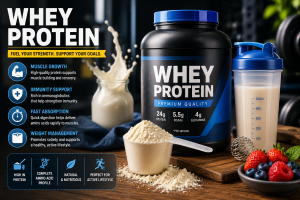
Whey Protein Market Overview
Whey protein is a high-quality protein derived from milk during the cheese-making process. It contains all nine essential amino acids and is recognized for its superior digestibility and muscle-building properties. Whey protein is available in various forms, including concentrates, isolates, and hydrolysates, each offering unique nutritional benefits and protein concentrations.
The growing popularity of protein-enriched diets, sports nutrition products, meal replacements, and functional foods has significantly increased the adoption of whey protein worldwide. Beyond sports nutrition, whey protein is increasingly being utilized in infant nutrition, clinical nutrition, bakery products, dairy products, beverages, and personal care formulations. Manufacturers are continuously investing in advanced processing technologies to improve protein purity, taste, functionality, and shelf life, thereby expanding the potential applications of whey protein across multiple industries.
Whey Protein Market Size & Forecast
| Year | Market Size (USD Billion) |
|---|---|
| 2025 | 10.65 |
| 2026 | 11.60 |
| 2035 | 24.72 |
CAGR (2026–2035): 8.79%
The market is expected to witness robust growth due to increasing consumer awareness regarding protein supplementation, rising disposable incomes, growing fitness culture, and continuous innovation in protein-based products.
Download the Sample: https://www.precedenceresearch.com/sample/2530
What is the Role of AI in the Whey Protein Market?
Artificial Intelligence (AI) is revolutionizing the whey protein industry by improving product development, optimizing manufacturing operations, enhancing quality control, and enabling personalized nutrition solutions.
AI-powered analytics help manufacturers better understand consumer preferences, forecast demand patterns, optimize ingredient formulations, and streamline production processes. Machine learning algorithms are also assisting researchers in developing customized protein blends targeted at specific consumer needs, including weight management, muscle recovery, healthy aging, and medical nutrition.
Key Applications of AI in Whey Protein Industry
- Product formulation optimization
- Personalized nutrition recommendations
- Consumer behavior analysis
- Supply chain optimization
- Demand forecasting
- Inventory management
- Quality assurance automation
- Production efficiency improvement
- Raw material sourcing optimization
- Sustainable manufacturing initiatives
AI-driven technologies enable manufacturers to reduce production costs, minimize waste, improve product consistency, and accelerate innovation cycles, creating significant competitive advantages.
As digital transformation continues across the food and nutrition sector, AI is expected to become a critical tool for driving efficiency and innovation in whey protein production.
Key Growth Drivers Fueling Market Expansion
Growing Demand for Protein-Rich Diets
- Consumers are increasingly prioritizing protein intake as part of a healthy lifestyle. Whey protein offers a convenient and efficient solution for meeting daily nutritional requirements, particularly among working professionals and health-conscious individuals.
Rising Popularity of Fitness and Sports Nutrition
- The growing number of gym memberships, fitness centers, and athletic activities worldwide has significantly boosted demand for protein supplements. Athletes and fitness enthusiasts rely on whey protein to support muscle growth, recovery, endurance, and overall performance.
Expanding Functional Food Industry
- Food manufacturers are increasingly incorporating whey protein into snacks, beverages, dairy products, meal replacements, and fortified foods to enhance nutritional value and appeal to health-conscious consumers.
Increasing Health Awareness
- Consumers are becoming more aware of the role protein plays in weight management, immune health, muscle maintenance, and healthy aging. This growing awareness is driving demand across various age groups.
Growth of E-Commerce Platforms
- Online retail channels have made whey protein products more accessible to consumers worldwide. E-commerce platforms allow consumers to compare brands, access reviews, and purchase supplements conveniently from home.
Major Trends Shaping the Whey Protein Market
- Rising Demand for Clean Label Products: Consumers increasingly prefer products with simple ingredient lists, natural formulations, and transparent labeling practices. Manufacturers are responding by introducing cleaner and more natural whey protein formulations.
- Personalized Nutrition Solutions: The emergence of personalized nutrition is driving the development of customized protein products tailored to individual health goals, lifestyles, and nutritional requirements.
- Premiumization of Protein Supplements: Consumers are willing to pay premium prices for products offering superior quality, enhanced functionality, and scientifically validated health benefits.
- Expansion into Healthy Aging Nutrition: The growing elderly population is creating demand for protein-rich nutritional products designed to support muscle preservation, bone health, and healthy aging.
- Sustainable Production Practices: Manufacturers are investing in environmentally sustainable production methods, energy-efficient processing technologies, and responsible sourcing initiatives to meet evolving consumer expectations.
Whey Protein Market Challenges
Growing Popularity of Plant-Based Protein Alternatives
- The increasing adoption of vegan and plant-based diets presents a challenge for whey protein manufacturers. Consumers seeking environmentally friendly and animal-free nutrition alternatives are increasingly turning toward plant-based protein products.
High Product Costs
- Premium whey protein formulations often carry higher price points, which may limit adoption among price-sensitive consumers, particularly in developing regions.
Fluctuating Dairy Raw Material Prices
- Variations in milk production and dairy commodity prices can affect manufacturing costs and profitability for whey protein producers.
Whey Protein Market Key Opportunities
Rising Demand for Clinical Nutrition
- Healthcare professionals increasingly recommend protein supplementation for patients recovering from illness, surgery, and age-related muscle loss, creating new opportunities for whey protein manufacturers.
Growing Penetration in Emerging Markets
- Rapid urbanization, rising disposable incomes, and increasing health awareness across Asia-Pacific, Latin America, and the Middle East are expanding the consumer base for whey protein products.
Innovation in Functional Nutrition
- Advancements in nutritional science are creating opportunities for specialized whey protein products targeting immunity support, weight management, cognitive health, and metabolic wellness.
Leading Companies Operating in the Whey Protein Market
Major market participants include:
- Glanbia plc
- Fonterra Co-operative Group
- Arla Foods Ingredients
- Lactalis Ingredients
- FrieslandCampina Ingredients
- Hilmar Cheese Company
- Saputo Inc.
- Agropur Cooperative
- Carbery Group
- Leprino Foods Company
- Milk Specialties Global
- Davisco Foods International
- AMCO Proteins
- Kerry Group
- Armor Proteines
These companies focus on product innovation, strategic partnerships, capacity expansions, sustainable manufacturing practices, and geographic expansion to strengthen their market positions.
Read More: Brazil Industrial Absorbent Market
Segments Covered in the Report
By Type
- Concentrate
- Isolate
- Hydrolysate
By Application
- Sports Nutrition
- Functional Foods
- Beverages
- Infant Formula
- Personal Care
- Others
By Distribution Channel
- Supermarkets/Hypermarkets
- Specialty Stores
- Online Retail
- Pharmacies
- Others
By End Users
- Athletes
- Bodybuilders
- Lifestyle Users
- Elderly Population
- Medical Nutrition Consumers
By Region
- North America
- Europe
- Asia-Pacific
- Latin America
- Middle East & Africa
Future Outlook
The global whey protein market is expected to experience strong growth through 2035, driven by increasing health awareness, expanding sports nutrition consumption, rising demand for protein-enriched foods, and ongoing innovation in nutritional products.
Artificial intelligence, personalized nutrition, sustainable production practices, and advanced processing technologies will continue reshaping the competitive landscape of the whey protein industry. As consumers increasingly seek convenient and effective nutritional solutions, whey protein is expected to remain a key ingredient across sports nutrition, clinical nutrition, functional foods, and wellness products.
Growing demand from emerging economies, coupled with rising investments in research and development, will further accelerate market expansion over the next decade.
By 2035, the global whey protein market is projected to surpass USD 24.72 billion, creating significant growth opportunities for ingredient manufacturers, food companies, supplement brands, distributors, and healthcare nutrition providers worldwide.
You can place an order or ask any questions. Please feel free to contact us at sales@precedenceresearch.com | +1 804 441 9344
