
What is the Life Science Tools Market Size in 2026?
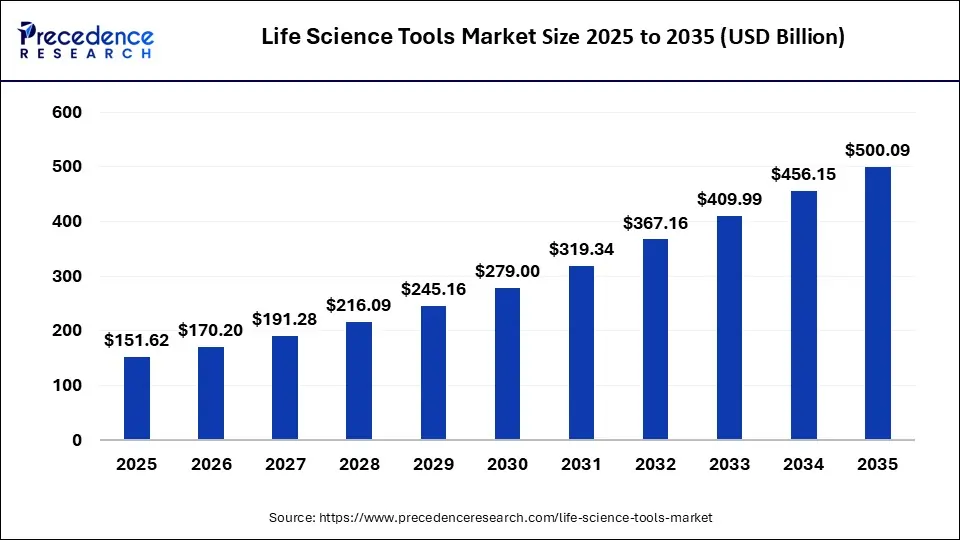
The global life science tools market is witnessing a transformative surge, fueled by rapid technological advancements, increasing demand for precision medicine, and expanding research in genomics and proteomics. According to recent analysis, the market is projected to grow at a CAGR of 8.7% from 2025 to 2034, reaching an estimated value of USD 278.45 billion by 2034.
The growth trajectory is largely driven by increased funding in pharmaceutical and biotechnology research, coupled with the rising need for advanced laboratory tools to support drug discovery and diagnostics. Moreover, the integration of artificial intelligence (AI) and automation in laboratory workflows is accelerating efficiency and accuracy, further propelling market expansion.
What’s Powering the Market?
The life science tools market was valued at approximately USD 120.6 billion in 2024 and is expected to nearly double by 2034, reflecting strong demand across research and clinical applications. North America continues to dominate the market due to its robust healthcare infrastructure and high R&D investments. Among product segments, genomics and proteomics tools hold a leading share due to their critical role in modern drug discovery. Key players such as Thermo Fisher Scientific, Danaher Corporation, and Agilent Technologies are at the forefront of innovation and market leadership.
How is AI Transforming the Life Science Tools Market?
Artificial intelligence is playing a pivotal role in reshaping the life science tools market by streamlining complex research processes. AI-powered analytics enable faster interpretation of genomic data, significantly reducing the time required for drug discovery and biomarker identification. This has proven especially beneficial in precision medicine, where tailored treatments rely on deep data insights.
Furthermore, automation driven by AI is revolutionizing laboratory workflows. From robotic sample handling to predictive maintenance of lab equipment, AI enhances productivity while minimizing human error. As life science companies increasingly adopt AI-integrated tools, the market is expected to witness unprecedented efficiency gains and innovation.
What Are the Key Growth Drivers of the Market?
The market is expanding due to a combination of scientific, technological, and economic factors. Increasing global investment in pharmaceutical R&D is a major driver, alongside the rising prevalence of chronic diseases that require advanced diagnostic and therapeutic solutions. The growing demand for personalized medicine is also accelerating the adoption of genomics and proteomics tools.
Additionally, advancements in next-generation sequencing (NGS), CRISPR gene editing, and high-throughput screening technologies are enabling breakthroughs in life sciences research. Academic institutions and research organizations are also contributing significantly to market growth through collaborative initiatives and funding programs.
What Opportunities and Trends Are Shaping the Future?
Is Personalized Medicine Driving New Demand?
Yes, personalized medicine is creating a surge in demand for advanced life science tools that can analyze genetic and molecular data with high precision. This trend is expected to remain a cornerstone of market growth.
Are Emerging Markets Becoming Key Growth Hubs?
Absolutely. Countries in Asia Pacific, particularly China and India, are witnessing rapid expansion due to increasing healthcare investments, favorable government policies, and growing research capabilities.
Is Automation Becoming the New Standard in Laboratories?
Indeed, automation is transforming laboratories into highly efficient, error-resistant environments. The adoption of robotic systems and AI-driven platforms is becoming a standard practice in modern research facilities.
Life Science Tools Market Overview
Market Drivers
Growing Demand for Biopharmaceuticals
The rising demand for biopharmaceuticals is a major factor driving the growth of the life science tools market. Biologics—often developed using recombinant DNA technology—are gaining widespread adoption due to their higher safety, effectiveness, and ability to treat previously incurable diseases.
Currently, biologics account for roughly 20% of the global pharmaceutical market, and this share is expected to grow significantly. To meet increasing demand, the industry is investing in advanced technologies such as predictive analytics, along with improvements in laboratory processes, operational efficiency, and research strategies. These developments are positioning biologics as a cornerstone of the future pharmaceutical landscape.
Market Opportunities
Technological Advancements
Rapid technological progress is creating strong growth opportunities in the life science tools market. The adoption of advanced tools—such as next-generation sequencers, PCR and qPCR systems, flow cytometers, spectrometers, microscopes, chromatography columns, and nucleic acid processing equipment—is steadily increasing.
Innovations in molecular diagnostics, including digital droplet PCR, Next-Generation Sequencing (NGS), and genome-wide sequencing, have significantly improved accuracy, speed, and reproducibility. These advancements are accelerating the use of DNA-based assays in clinical settings. Additionally, efficient extraction and processing of circulating nucleic acids are becoming critical for expanding therapeutic applications.
Product Insights
Next-Generation Sequencing (NGS)
Next-generation sequencing technologies are transforming genomic analysis by offering high speed, cost efficiency, and exceptional accuracy. These technologies support various applications, including whole genome sequencing, transcriptome sequencing, resequencing, and de novo assembly.
Compared to traditional sequencing methods, NGS provides faster turnaround times, lower costs, and improved sensitivity in detecting rare genetic variations. Features like sample multiplexing further enhance throughput, making it highly suitable for large-scale studies.
NGS is expected to witness significant growth due to its critical role in:
Studying tumor heterogeneity
Discovering cancer-related genes
Identifying genetic mutations linked to disease progression
Its increasing use in clinical diagnostics and precision medicine is further accelerating market expansion.
Technology Insights
Cell Biology and Genomics
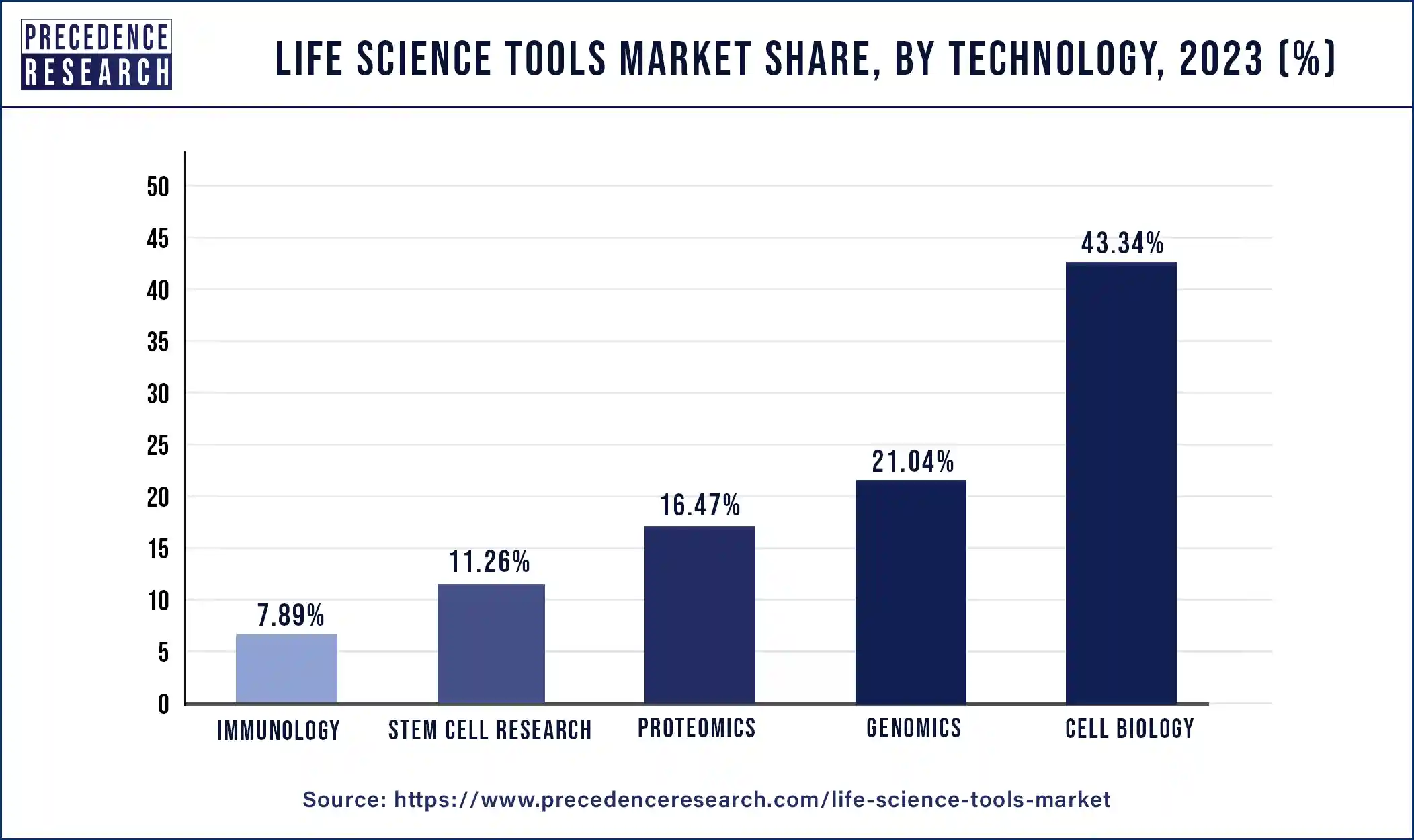
Cell biology technology dominated the market in 2025, followed by genomics. Traditional genome editing methods have limitations in speed and efficiency, but newer tools such as CRISPR/Cas9 and ZFN have revolutionized gene editing by making it faster, more precise, and easier to implement.
Growth in this segment is driven by:
Increased funding from organizations like the National Institutes of Health
Expanding applications in drug discovery
Rising use of cell-based assays supported by advancements in automation and flow cytometry
Artificial intelligence is also playing a growing role in cell biology. For example, companies like Deepcell are building large-scale cell morphology datasets to improve cell classification and uncover patterns beyond human capability.
Proteomics
The proteomics segment is expected to grow at the fastest rate during the forecast period. Proteomic analysis provides detailed insights into cellular structure, function, and response to drugs. Mass spectrometry remains the key technology in this field, and ongoing advancements are significantly enhancing its analytical capabilities.
End-Use Insights
Healthcare Sector
The healthcare segment held the largest market share in 2025 and is expected to grow rapidly. Hospitals, clinics, diagnostic labs, and research centers are increasingly adopting genomic and proteomic workflows for disease diagnosis and treatment.
Key growth drivers include:
Rising use of tissue-based diagnostics, which are faster and more accurate than traditional methods
Expansion of genomics research within healthcare institutions
Improved diagnostic accuracy through advanced laboratory tools
Genomic sequencing in clinical settings is also helping reduce healthcare costs while improving patient outcomes, making it a key area of future growth.
Biopharmaceutical Companies
Biopharmaceutical companies are expected to grow at a strong pace due to increased investment in genomic research and collaborations with healthcare institutions. These companies are focusing on early disease detection, particularly in oncology, using advanced sequencing and biomarker analysis.
Regional Insights
North America
North America dominated the market in 2025, driven by the strong presence of major companies such as Thermo Fisher Scientific. The region benefits from:
Advanced research infrastructure
Well-established regulatory frameworks
High adoption of genomic technologies
The U.S. continues to lead globally in drug discovery and R&D investment, further supporting market growth.
Asia Pacific
Asia Pacific is expected to experience the fastest growth, fueled by:
Increasing investments in healthcare infrastructure
Expansion of global market players
Growing demand for advanced diagnostic technologies
Europe
Europe holds a significant share due to strong healthcare systems and government initiatives in countries like Germany, France, and United Kingdom.
Latin America & Middle East & Africa
These regions are witnessing steady growth due to:
Rising demand for high-quality medical equipment
Increasing healthcare investments
Expansion of manufacturing and healthcare services
Other Companies
- GE Healthcare
- Hitachi, Ltd.
- Illumina, Inc.
- Merck KGaA
- Oxford Instruments plc
- Qiagen N.V.
- Shimadzu Corporation
- Thermo Fisher Scientific, Inc.
- ZEISS International
Segments Covered in the Report
By Technology
- Genomics
- Cell Biology
- Proteomics
- Stem Cell Research
- Immunology
By Product
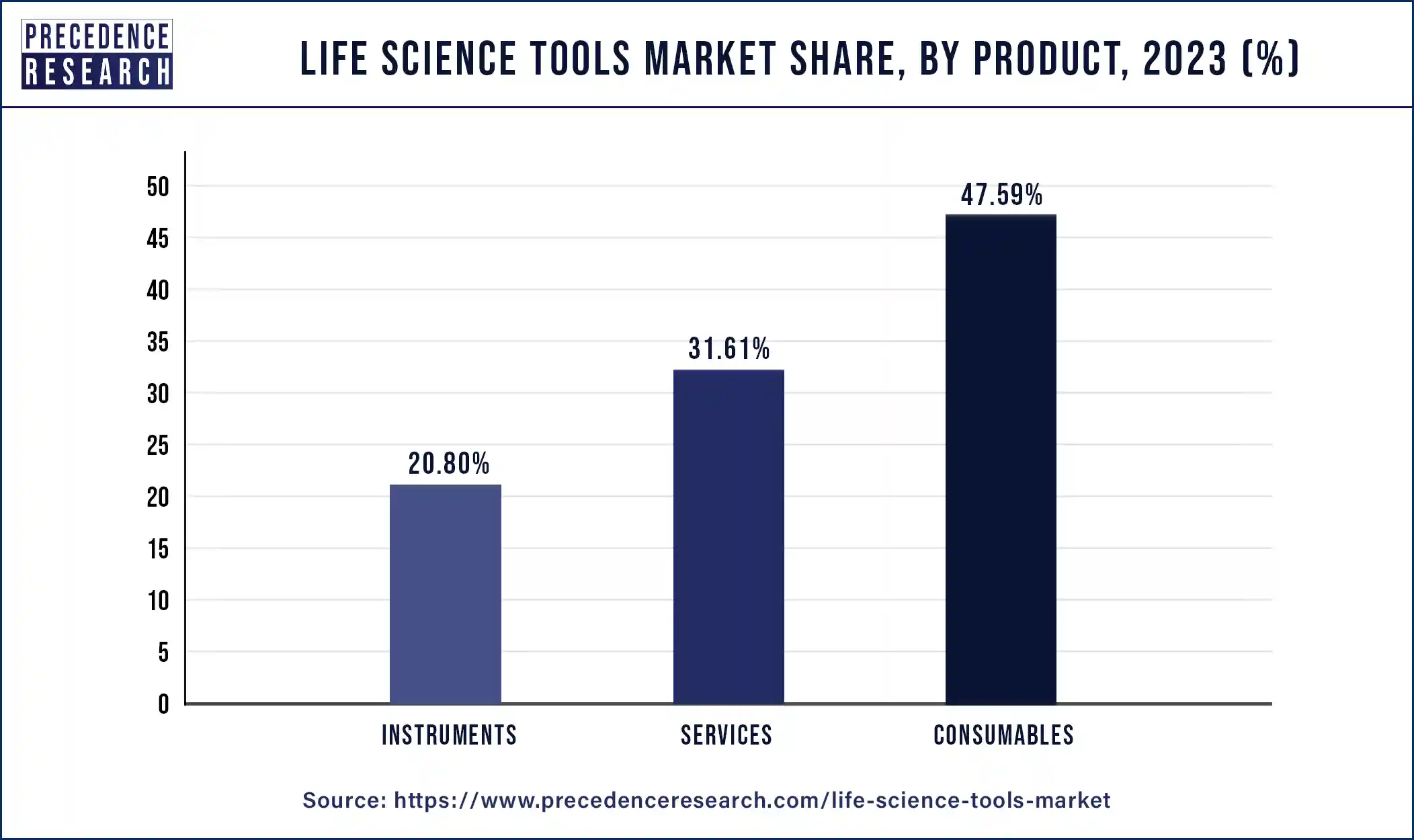
- Consumables
- Instruments
- Services
By Application
- Drug Discovery and Development
- Clinical Diagnostics
- Genomic and Proteomic Research
- Cell Biology Research
- Others
By End-User
- Academic and Research Institutions
- Biotechnology and Pharmaceutical Companies
- Hospitals and Diagnostic Laboratories
- Contract Research Organizations (CROs)
- Government and Regulatory Agencies
By Regional Outlook
- North America
- U.S.
- Canada
- Europe
- U.K.
- Germany
- France
- Asia Pacific
- China
- India
- Japan
- South Korea
- Rest of the World
Get Sample Link: https://www.precedenceresearch.com/sample/1064
Also Read : https://www.businesswebwire.com/medical-device-outsourcing-market-2/

- Corporate Wellness Market Surges Toward USD 500.09 Billion by 2035 - April 22, 2026
- Portable Medical Devices Market Surges Toward USD 221.71 Billion by 2035 - April 22, 2026
- Infant Incubator Market Set to Surpass USD 3.27 Billion by 2035 - April 22, 2026